


A Practical Aussie No-Till Guide to Growing Strawberries 🍓 - 2026 Update
Home-grown strawberries are hard to beat! Sweet, juicy, and picked at peak ripeness. A no-till permaculture setup builds soil naturally, suppresses weeds, and suits our Aussie climates perfectly. This approach is low-effort once established and great for beginners willing to follow a few key rules.
Choosing Your Spot
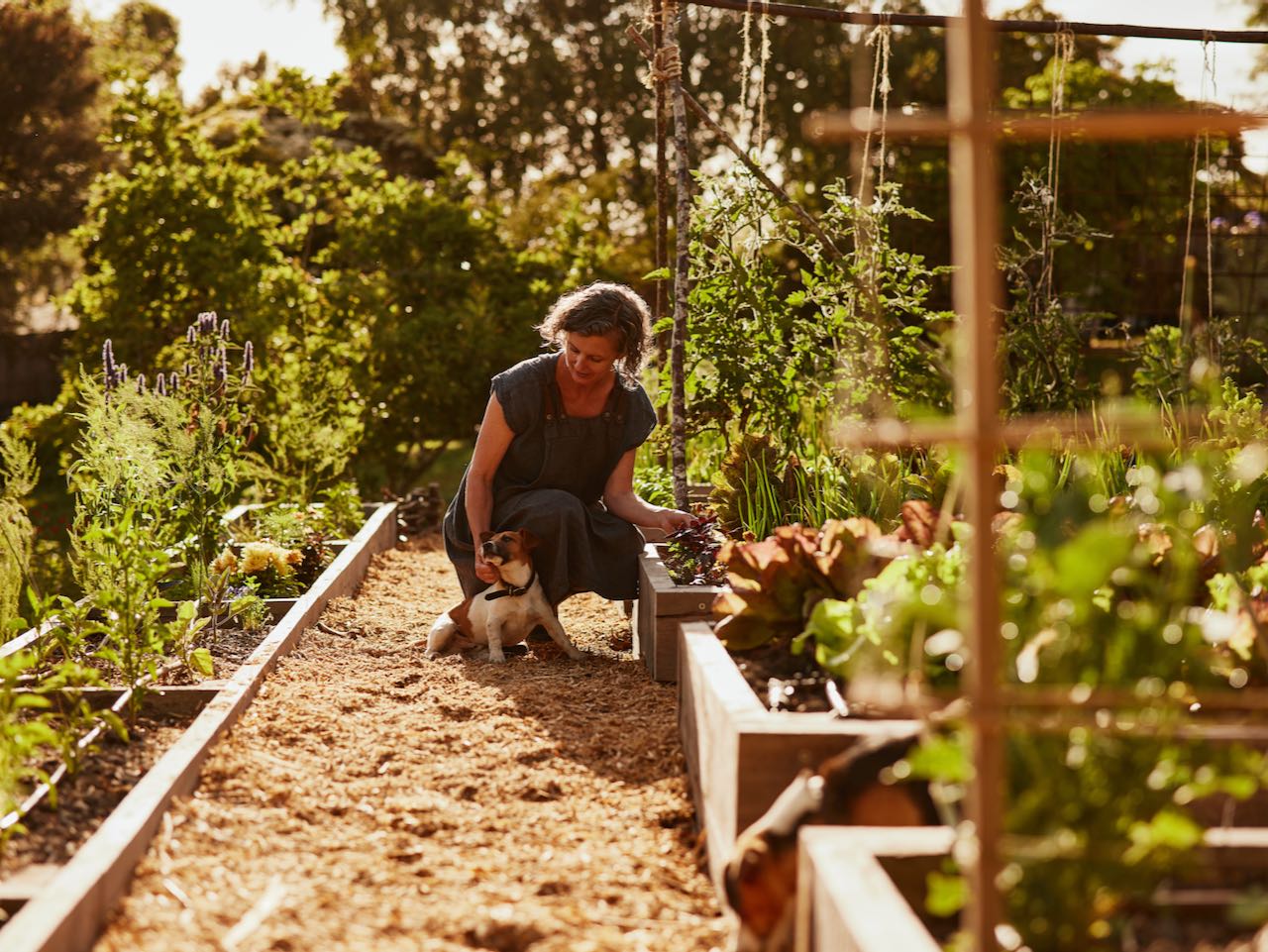
Aim for full sun (6–8 hours minimum). In hotter regions like Queensland or northern NSW, afternoon shade prevents scorched fruit. Good drainage is essential and avoid low spots that turn boggy after rain. A slight slope helps if you've got one.
Picking the Right Varieties
Day-neutral or everbearing types crop over months rather than one big flush, ideal for home gardens.
Top picks for 2026:
- Lowanna → Australian-bred, steady fruiter with excellent flavour.
- Albion → Heat-tolerant with large, sweet berries—thrives in warmer areas.
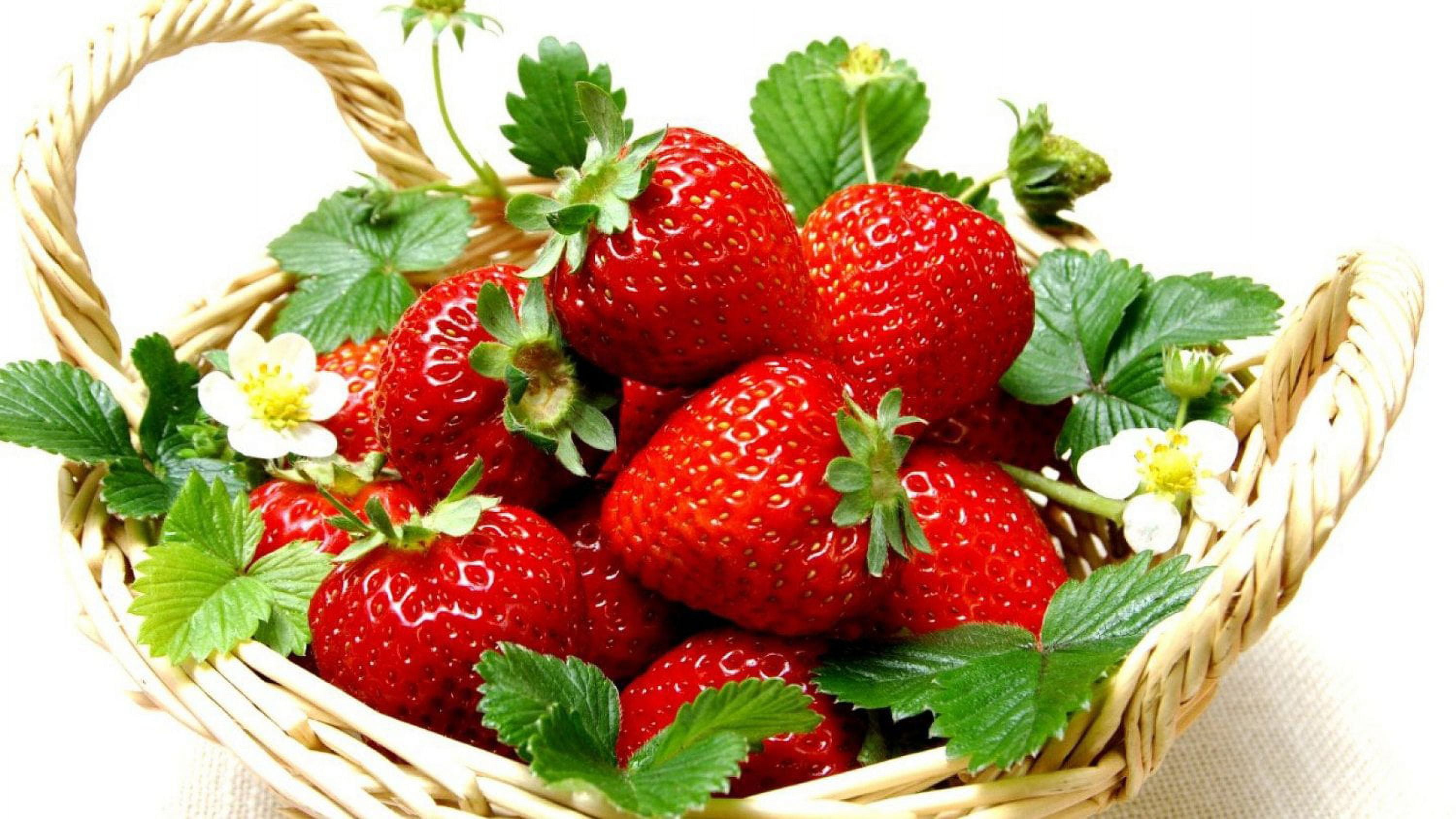
- Stella → Newer release from the Australian breeding program: high-yielding, disease-resistant, and very sweet.
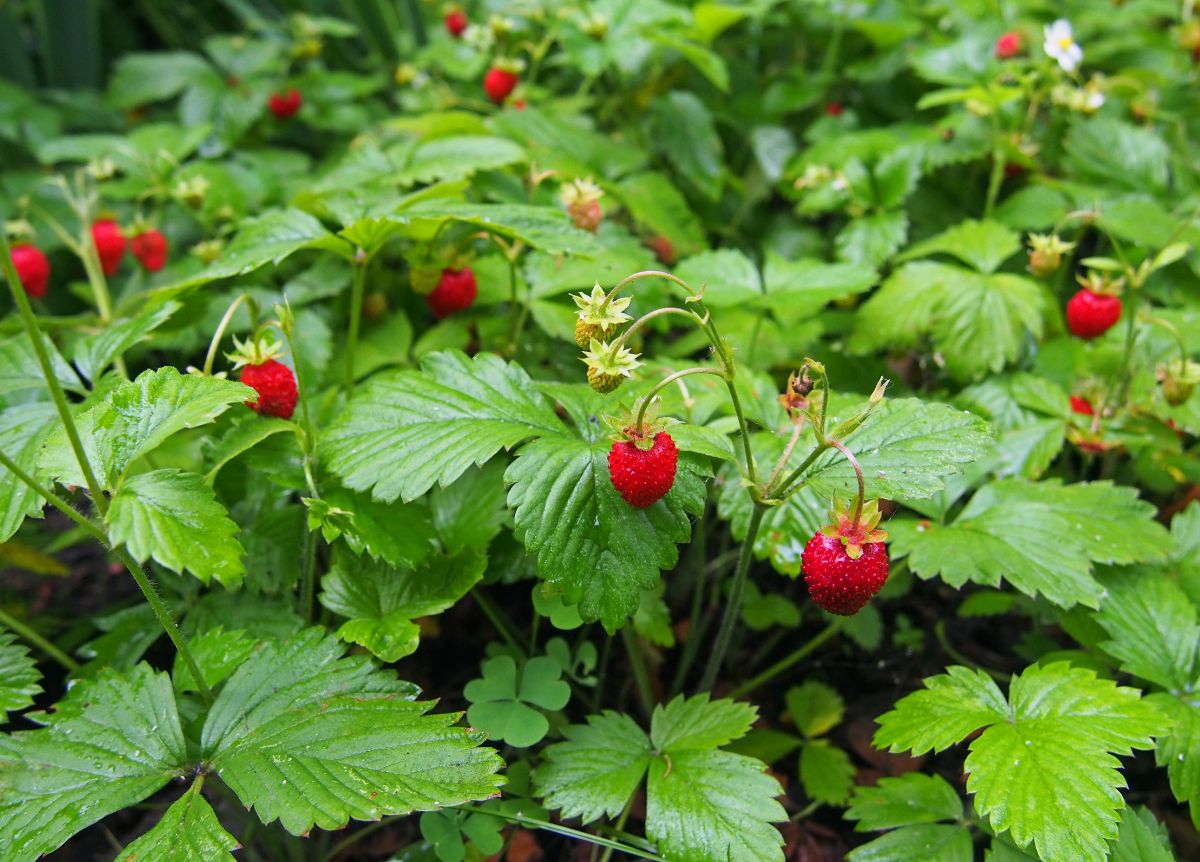
Buy virus-free plants or runners from a good nursery, it's worth it to avoid problems down the track.
Growing in Pots or Baskets (Great for Small Spaces)
No room for a bed? Strawberries do brilliantly in containers, hanging baskets, or strawberry towers. Use premium potting mix with compost added, and ensure good drainage holes. Hanging baskets keep fruit off the ground and deter slugs.

What You'll Need
- Cardboard/newspaper for weed smothering
- Compost or aged manure
- Straw or sugarcane mulch
- Plants/runners
- Optional: drip irrigation, bird netting
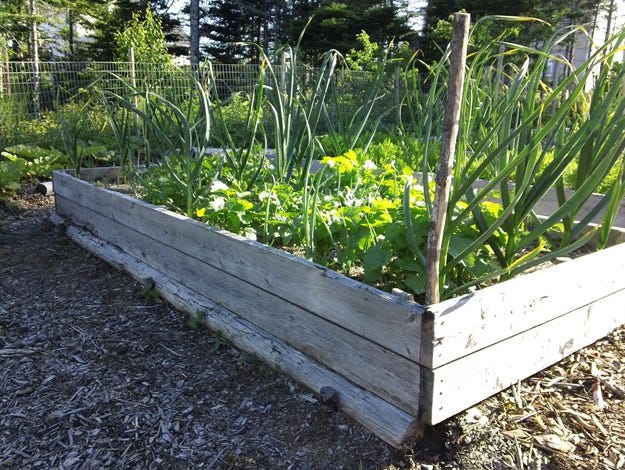
Setting Up the Bed (Sheet Mulching)
- Mow or trim existing vegetation low.
- Lay overlapping cardboard (wet it to stay put) or thick newspaper (10+ layers).
- Add coarse material (twigs/straw) for aeration.
- Top with 10–15 cm compost/manure.
- Finish with 8–10 cm straw mulch (keep planting spots clear).
Planting – Get This Right!
Autumn (March–May) or early spring is best.
Cut holes through the cardboard into the compost. Crucial: Plant so the crown (where leaves meet roots) sits exactly at soil level, not buried (causes rot) and not too high (dries out). Spread roots out, firm gently, and water well. Space 30–40 cm apart.
![How to Grow Strawberry Plants [Full Guide] – Lost Coast Plant Therapy](https://cdn.shopify.com/s/files/1/1289/2041/files/strawberry_plants_22.jpg?v=1743003454)
![How to Grow Strawberry Plants [Full Guide] – Lost Coast Plant Therapy](https://cdn.shopify.com/s/files/1/1289/2041/files/strawberry_plants_18.jpg?v=1743002984)
Add seaweed booster for the first few weeks to help establishment.
Watering, Feeding, and Mulching
Keep soil consistently moist but not soggy, deep water 1–2 times weekly in summer. Drip irrigation saves water and keeps leaves dry.
Feed with organic pelletised fertiliser (e.g., for fruit/veggies) in spring and midsummer. Top up mulch regularly, straw is perfect for keeping berries clean.
Ongoing Care and Companions
Let some runners root to fill the patch (or remove for bigger fruit). Pinch off early flowers in the first season if plants look small, it builds stronger roots for better crops later.
Plant companions like marigolds, chives, or borage nearby to deter pests and attract bees.


Common Problems and Fixes (First-Timer Essentials)
- Birds stealing fruit — Net the bed once berries form (use fine mesh draped over hoops).
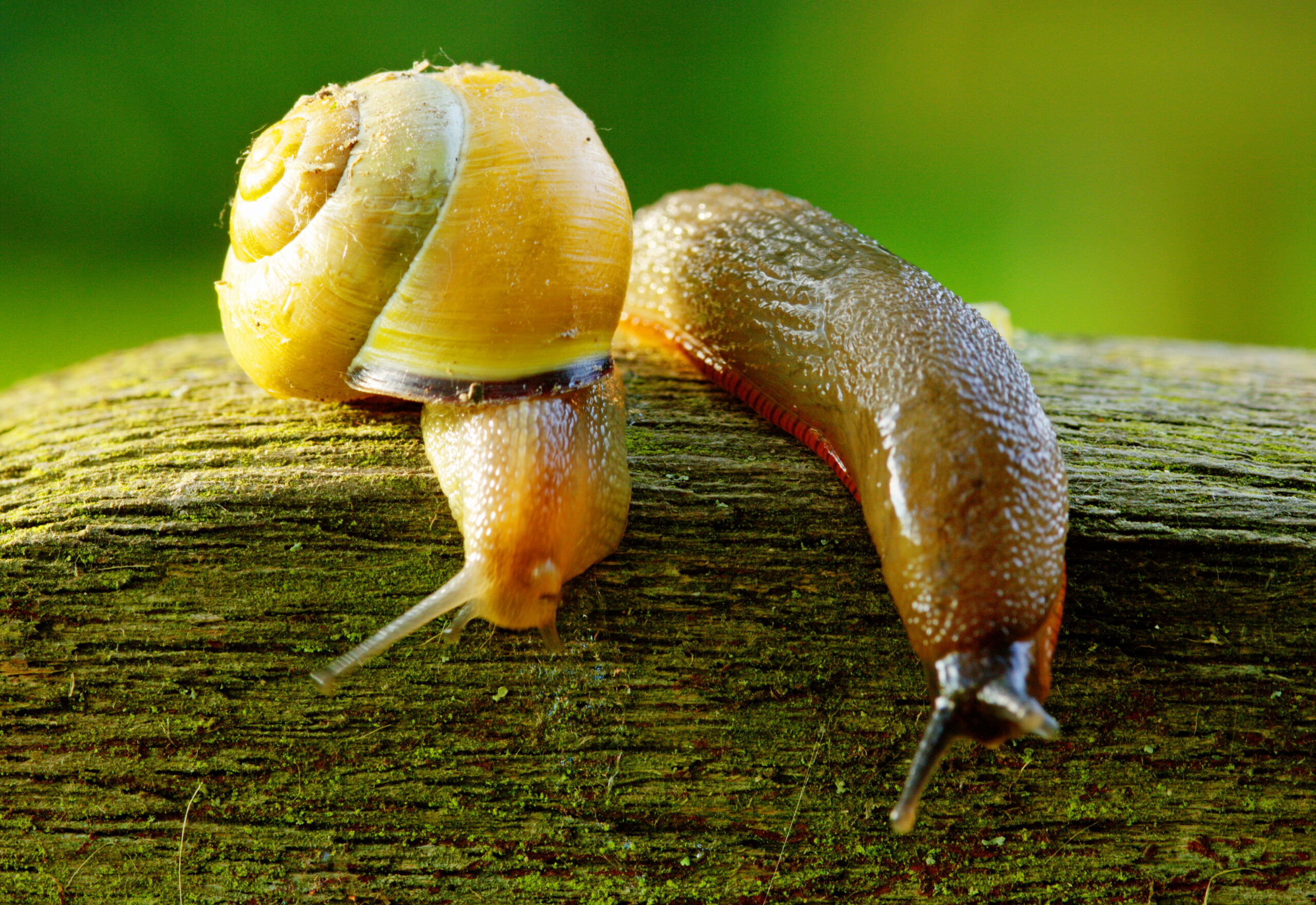
- Slugs/snails — Hand-pick at night, use beer traps, or scatter crushed eggshells/coffee grounds.
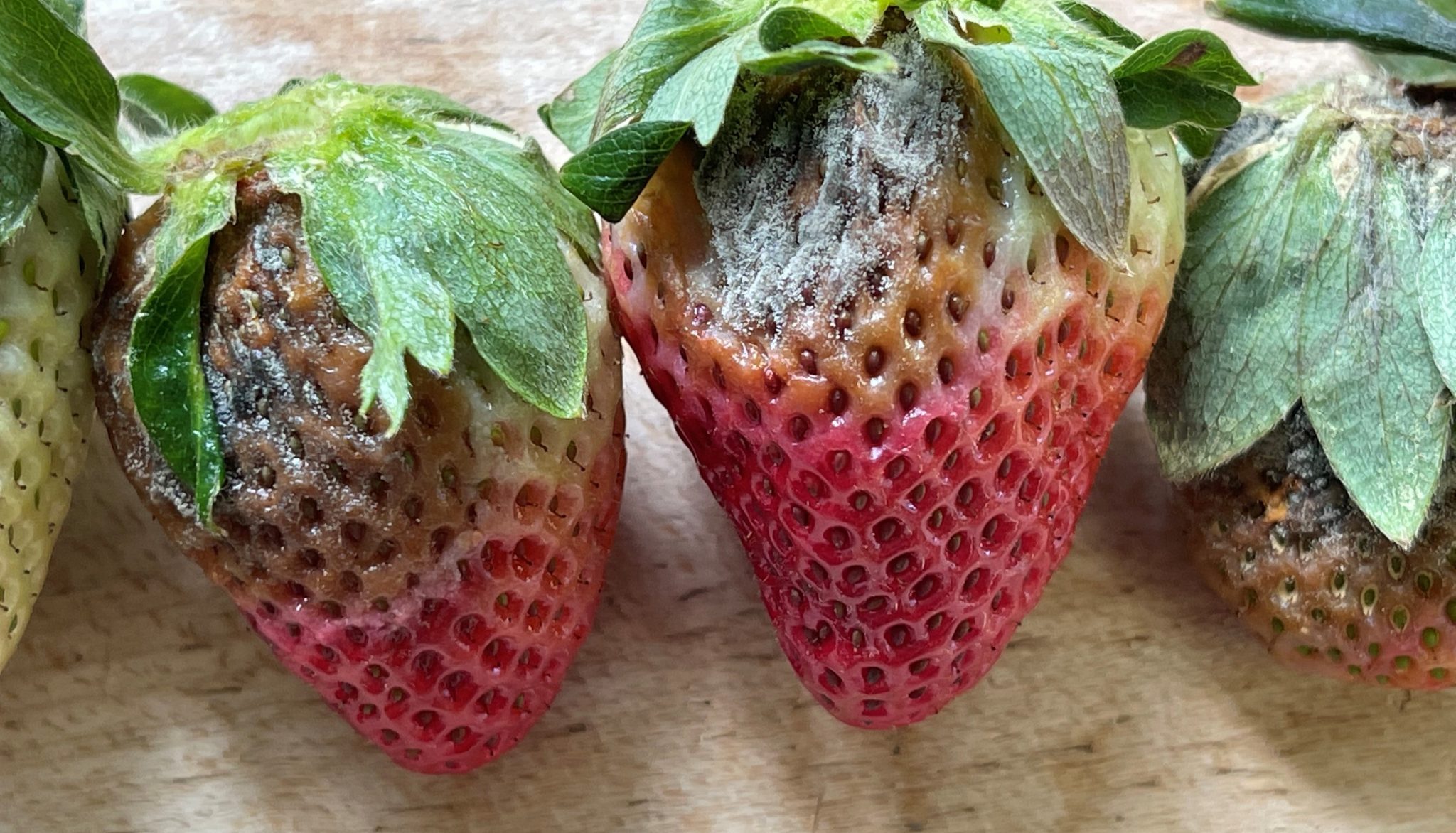
- Grey mould (fuzzy rot on fruit) — Improve airflow, keep leaves dry, remove affected berries promptly.

- Small or no fruit — Could be heat stress, poor pollination (add flowers for bees), or lack of feed/water.
Beds stay productive for 2–3 years; after that, dig in runners for a fresh patch or renovate with compost.
Harvesting
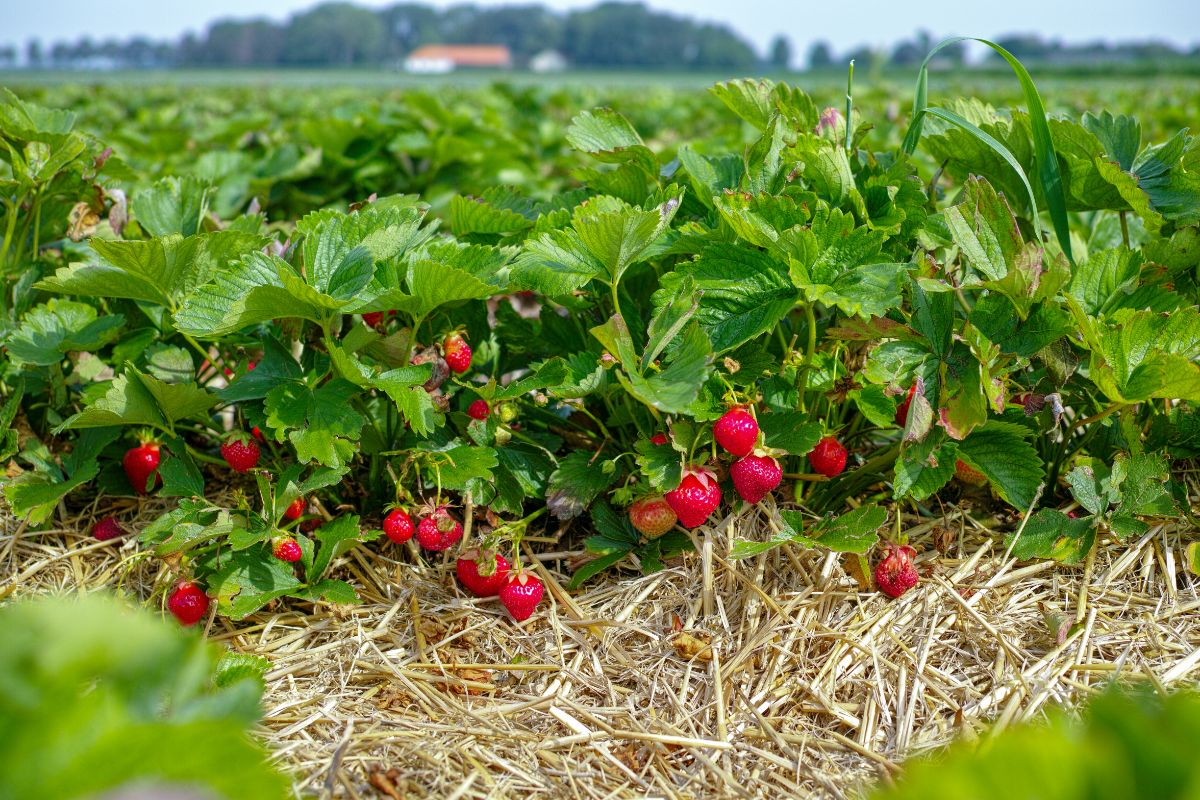
Pick when fully coloured for the best flavour. Regular harvesting encourages more berries. Expect your first good crop 3–4 months after planting.
Final Thoughts
Stick to good planting depth, consistent moisture, and basic protection, and you'll be rewarded with buckets of berries. No-till strawberries are forgiving once going—give them a try this season.
Happy growing & Much Love, Ya Burr 🍓
